

This is one of the parts of homesteading that I feel like can be really intimidating until you start doing it. Once you get a compost situation going on your homestead it is one of those things that works passively in the background. You add to it, and adjust your contributions when necessary. It can get unbalanced if you add too much of one thing, but once you attempt to “fix” it, it is very forgiving.
There are some affiliate links and discount codes in this article. Clicking on these links does not cost you any extra money, but helps give us a small boost towards making our homestead dreams come to fruition. While we encourage shopping local we also realize that is not always possible. Please see our full affiliate disclosure here.
There are so many reasons why you should start to compost. The top two reasons for us on the Surf and Sew Homestead are to save money and waste reduction/planet health.

Saving money? How do you save money by putting stuff in a compost pile? This reason has an easy and super quick answer. If you garden, a healthy dressing of compost on the top of your beds every season will help ensure that you are continuing to add nutrients to your soil, and depending on the size of your garden, having enough compost to do that can cost a pretty penny if you aren’t producing your own. The current global climate is telling us that the cost of compost is only going to increase.
Waste reduction and planet health is a bit more complicated to explain. Here’s the biggest thing, food waste does not break down the same way in a landfill as it does in your compost bin. This also applies to single use items marketed as compostable. In a landfill they produce methane gas as they break down, that’s the bad stuff, that’s one of the big issues with factory farming (livestock), and fossil fuels.
There was actually a fantastic push on social media this past fall encouraging people not just to throw their Halloween pumpkins in the trash, there were great info graphics trying to explain the “why’s,” but it was fantastic to see people really trying to educate on this issue.
In addition to methane gas, landfills also leach chemicals, pesticides, and heavy metals in to the ground which eventually make their way into our water and food. So keeping “trash” out of landfills unless necessary is key because as they require more space to put our trash we lose out on more and more usable land.
If you can’t compost, or just don’t want to take on the project yourself please check your neighborhood, town, city, or county for composting programs. The one near us is called Garbage to Garden and has multiple drop off sites around town. Some towns have a collection service for kitchen scraps pick up, and might even return finished compost to you for your contributions.
Your Top Composting Questions Answered:
How does composting help with the environmental aspect of food waste and trash?
Less food rotting in landfills mean less methane gas emissions. So pop it into a pile in your backyard. Rip up your egg cartons and cardboard boxes and put those in there too. Cardboard is a great source of “browns” for your compost, just make sure the pieces you are adding are smaller than 2”x2” or you will be waiting a lot longer for them to break down. You can also cut up your cardboard into larger small pieces and then pass them through a paper shredder. Just make sure your shredder can handle the bulk.
What do I need to start composting?
All you need are kitchen scraps, paper/cardboard trash, lawn and garden scraps, and a place to put them all.
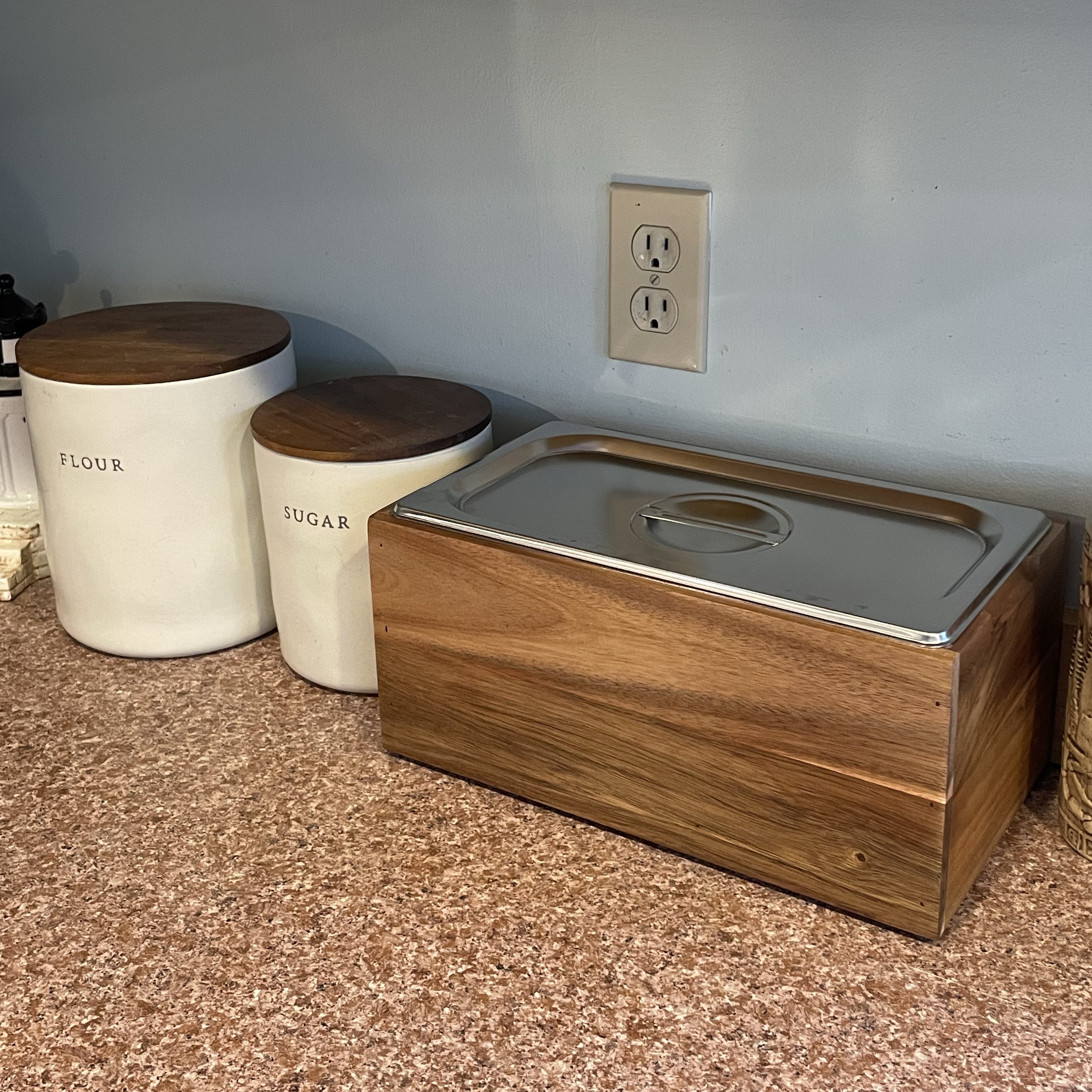
This countertop compost container holds so much more love for me than our old round one that we had. While the round containers are very popular and treated us well over the years, I found that trying to clean them and replace the filters was cumbersome. This new one has a restaurant grade stainless steel insert that can be put in the dishwasher and the flat lid can go in there as well. It just happened to be a bonus that it matched with the lids of my Magnolia flour and sugar containers, though it also comes in bamboo.
You can compost in a pile in your backyard, you don’t need anything fancy, you can dig a hole and start or you can set yourself up with a composting bin. We have a bin setup that I love and we plan to add at least one more stall to rotate through it all properly.
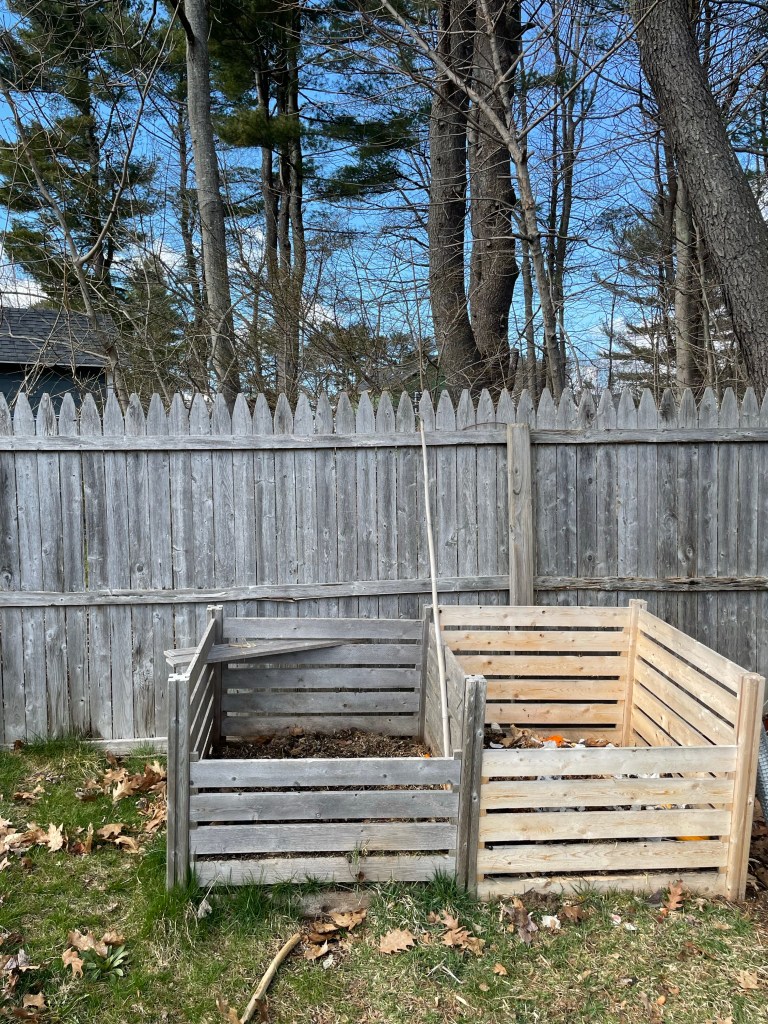
Having more than one stall makes it much easier to turn your pile. I love the slatted sides on these as they are removable, so we can change how high the sides go up for easier access.
A two or three stall system could also be easily accomplished with heat treated pallets and some rebar.
A lot of beginning composters are turned on by the containment and cleanliness of a compost tumbler, and while this may be the only way to go for some (especially if you are dealing with an HOA or cranky neighbors) it is a lot more crucial to work on getting your ratios correct if you use an enclosed tumbler and can quickly turn off beginners if you slip up with your ratios and end up with a slimy mess.
If you are going to go with an enclosed compost tumbler I would recommend going with a two chamber system, as it will be easier to have a finished and usable side and a “working” side.
Where should I put my compost pile?
The best place for your compost pile is going to be out of direct all-day sun, away from any water runoff (like the roof of your shed or chicken coop), and away from your house (in case it attracts pests).
Make sure you still keep it close enough to your home, so that you don’t mind going out and emptying your kitchen scraps, and close enough to your garden to make using that beautiful black gold in your garden so much easier!
Why does the browns to greens ratio seem so confusing?
It’s really not that confusing, and like I always say, the best way to learn, is to do. Start that pile! The reason that this usually appears confusing as it is almost always listed as a 30:1 carbon to nitrogen ratio, which is determined by weight. Most of us out here aren’t weighing our compost. The recommended ratio by volume is 2/3 browns to 1/3 greens. This means if you dump one of your kitchen compost containers of kitchen scraps into your compost pile, you should (by the 2/3 – 1/3 rule) dump two of those containers full of browns on top of them.

What can you compost? What are browns and greens?
Browns are carbon rich and usually dry when you put them in the pile whereas greens are nitrogen rich items and usually have higher water content at the time that you add them to your compost.
Browns
- Sawdust (from untreated wood)
- Cardboard boxes (do not use waxy colored cardboard – rip into pieces smaller than 2″x2″)
- Egg cartons (rip into pieces smaller than 2″x2″)
- Newspaper and regular paper (avoid glossy pages)
- Mulched dry leaves
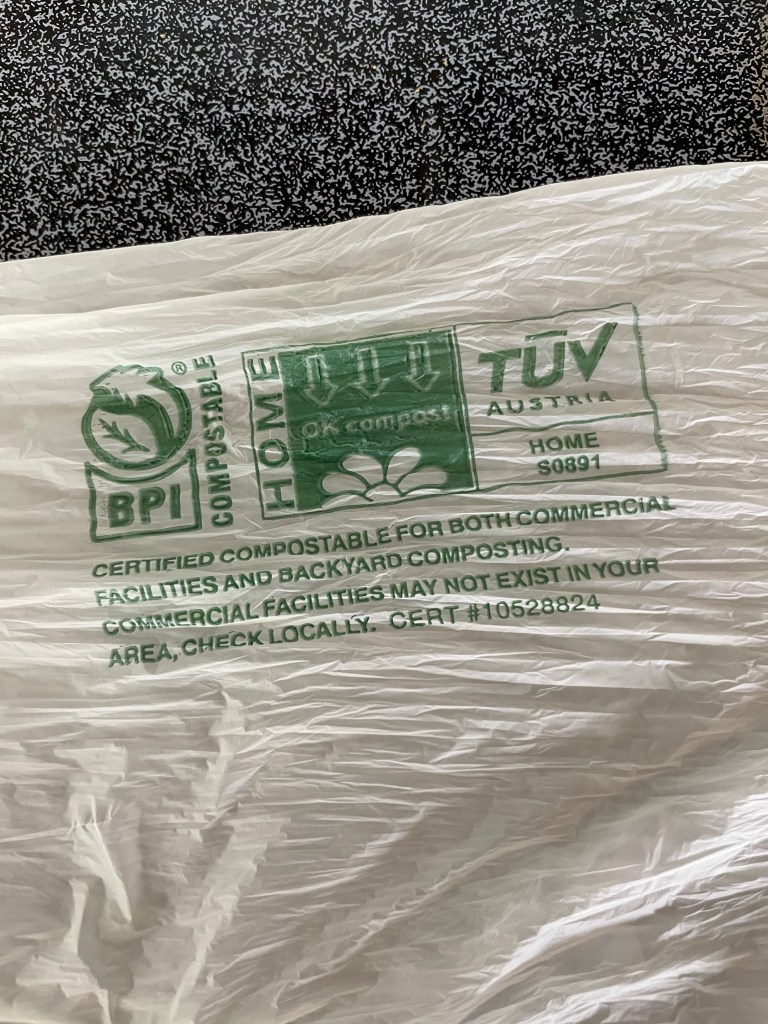
- Compostable containers (make sure they are free of food waste and are suitable for backyard composting)
- Wood Ash (use sparingly and nothing that had lighter fluid used on it)
Greens
- Vegetable scraps (don’t forget to make veggie stock with them first)
- Fruit scraps (some say to avoid citrus, but we don’t)
- Coffee grounds
- Green grass clippings (use sparingly)
- Lobster and shrimp shells (rinse to remove excess salt)
- Rabbit manure
- Chicken, cow, or horse manure (these additions directly affect how long you need to let your compost break down for so a bit more research is necessary if you plan on adding these items).
What if I do it wrong?
If you add too many browns, it will take a lot longer for your pile to break down, it won’t heat up and really start working, but eventually it will break down.
If you add too many greens, you will probably end up with a wet, slimy, and stinky pile. This pile will also break down, but it won’t be pleasant for you or your neighbors and will be heavy to turn.
Both of these situations are easily remedied by adding more of the balancing item to your pile and turning it more regularly, it’s really best to start with a more carbon heavy pile as the slimy stink could turn your off to composting and that is the LAST thing we want.
We are passive composters, meaning we don’t always pay attention to the ratio, so our pile isn’t always as active as it should be, but being that our compost is in bins rather than a tumbler it is easier to check and remedy once we realize we have a problem.
What should I avoid putting in my compost pile?
- Colored or waxy paper
- Dog or cat waste (including litter)
- Grease
- Meat and animal parts
- Dairy products
- Diseased plants
- Plastic
- BBQ/Coal Ashes
We also avoid putting eggshells in our compost (even though they are very helpful, we find that they are the one item that really attracts pests to our pile and we often find the egg shells strewn across the yard). We will be experimenting this summer with crushing them up ahead of time and see if that helps the situation, as they are a great source of calcium for the garden.
How do I know when my compost is done?
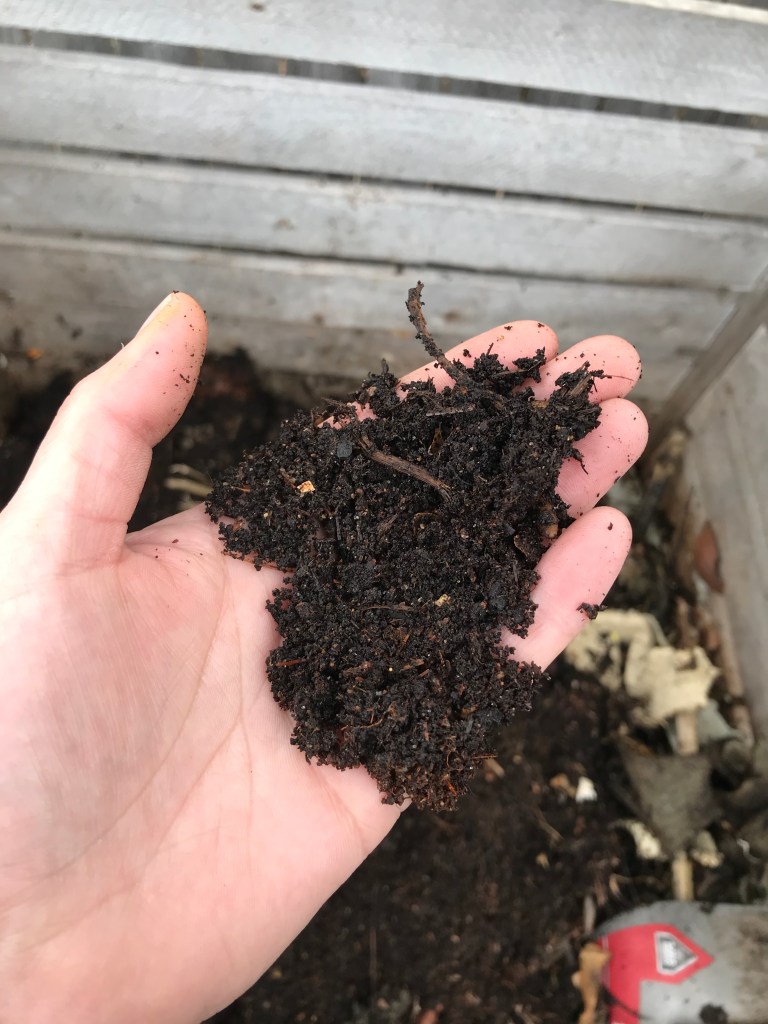
When your compost is done it will have the appearance of healthy dark soil, and it won’t smell like rotting kitchen scraps, it will have a pleasant earthy smell. Top off your garden beds to feed all of your crops!
Have you tried to compost before and struggled? Are you getting ready to start a pile this summer? Do you have more questions about composting? What can I help you with?

 surfandsewhomestead.com
3 thoughts on “Beginning Composting”