

If the last three years has taught us nothing else, it has taught us that we need to take steps to rely more on ourselves and less on corporations. We need to be producers over consumers.
There are some affiliate links in this article. Clicking on these links does not cost you any extra money, but helps give us a small boost towards making our homestead dreams come to fruition. While we encourage shopping local we also realize that is not always possible. Please see our full affiliate disclosure here.
If you haven’t seen the signs yet and are just yearning to go back to the way things were, take another look.
Forcing our way back to the same world we were living in is not in the cards for our family. We have rediscovered a happy home by providing more for ourselves.
We know that current events and inflation are not going to affect us as dramatically as they would have in our previous lifestyle. We have food stored to feed our family and supplement the higher cost items that we still need to buy from the store.
We work though our food storage and rotate it. It is all items that we regularly eat, so if we should experience job loss, or a natural emergency we aren’t cooking MREs or eating dense protein bars for every meal.
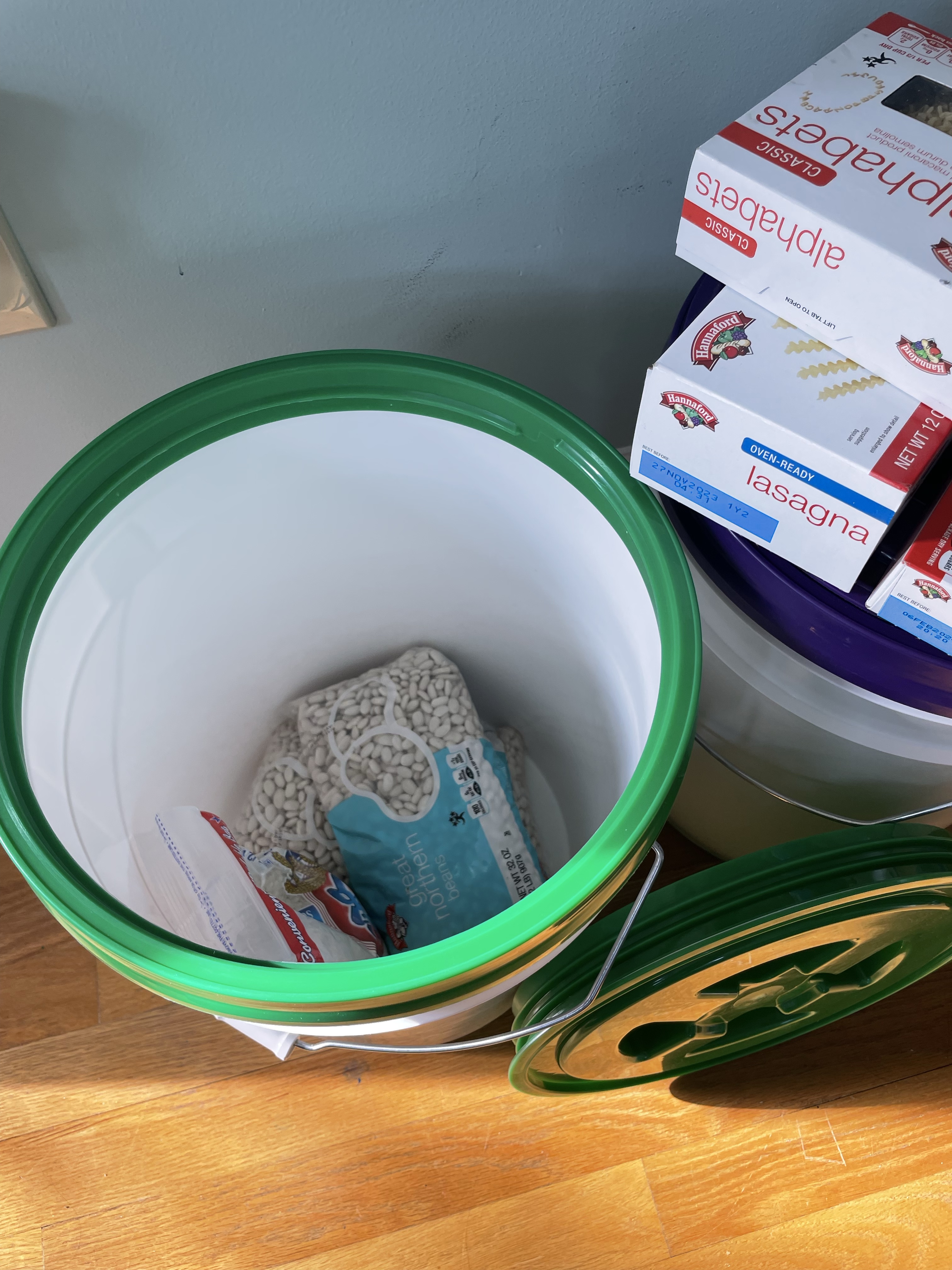
We keep our backup food in 5 gallon food safe buckets with twist top lids that are pest safe. We store items in these that have weak outer packaging, jars and cans are stacked in the pantry. The items that get stored in these are not bulk giant bag items, though they could be, small bags just make it easier for our family to rotate through, and it is easier and less of an initial investment to slowly create a backup supply. I just pick up an extra bag or box at the store when its in the budget.
We also freeze, can, and dehydrate our extra harvest during the summer. I have mentioned it before and I will mention it again and again. Our favorite canning and preserving recipes come from the Ball Complete Book of Home Preserving.
This way of creating an emergency food stash is much more affordable than purchasing some of the many emergency food supplies listed online. On average you are going to spend $250 per person per month for these dehydrated meals. Most have a listed shelf life of 25 years, which is great, but it seems a little wasteful because they seem like the type of thing that if you don’t HAVE to eat them, you probably won’t.

Supply chain issues, personal health and wellbeing, animal health and wellbeing, inflation, job insecurity, and food safety. At least one of these has probably affected your life over the last three years (unless you already live on a self-sufficient homestead).
We have seen empty food shelves, empty paper goods shelves, avian flu, record inflation numbers, and job loss over the last three years. We are seeing a push towards revamping the factory farming industry (mostly in good ways, for better health of the animals and of the food they provide) which the farmers will pass the cost on to the consumer.
We are also seeing a push in the health of our food and medicine. The quest for knowledge of what has gone into our food, FDA allowed ingredients, and what we will be putting into our bodies is leading the way.
Whatever has brought you to the world of homesteading, welcome!
In our article Five of the Easiest Changes you can make NOW to Start an Urban or Suburban Homestead without any Experience we really broke it down into some simple steps that you can take. Most of these take very little money to start and some can show you some return on investment (ROI) fairly quickly. I’m going to dive down a little deeper from that article onto some specifics that can really make you more self-sufficient and less reliant on the big chains and big box stores.
Get Rid of Single Use Products in Your Home
Swapping paper towels for dish towels, tea towels, and washcloths can instantly take $25 or so off of your monthly grocery or Target bill. This pack of 15 tea towels costs about the same as a 12 count pack of Bounty paper towels. If you make bread, a damp tea towel can also replace plastic wrap to cover your rising bread (and it sticks less).
Cloth napkins come in so many fun colors and are so much more durable than paper napkins and while the $3.50 price tag for a pack of 200 paper napkins doesn’t seem like much, switching over to cloth can save you money in the long run as well as reducing the amount of trash your household puts out.
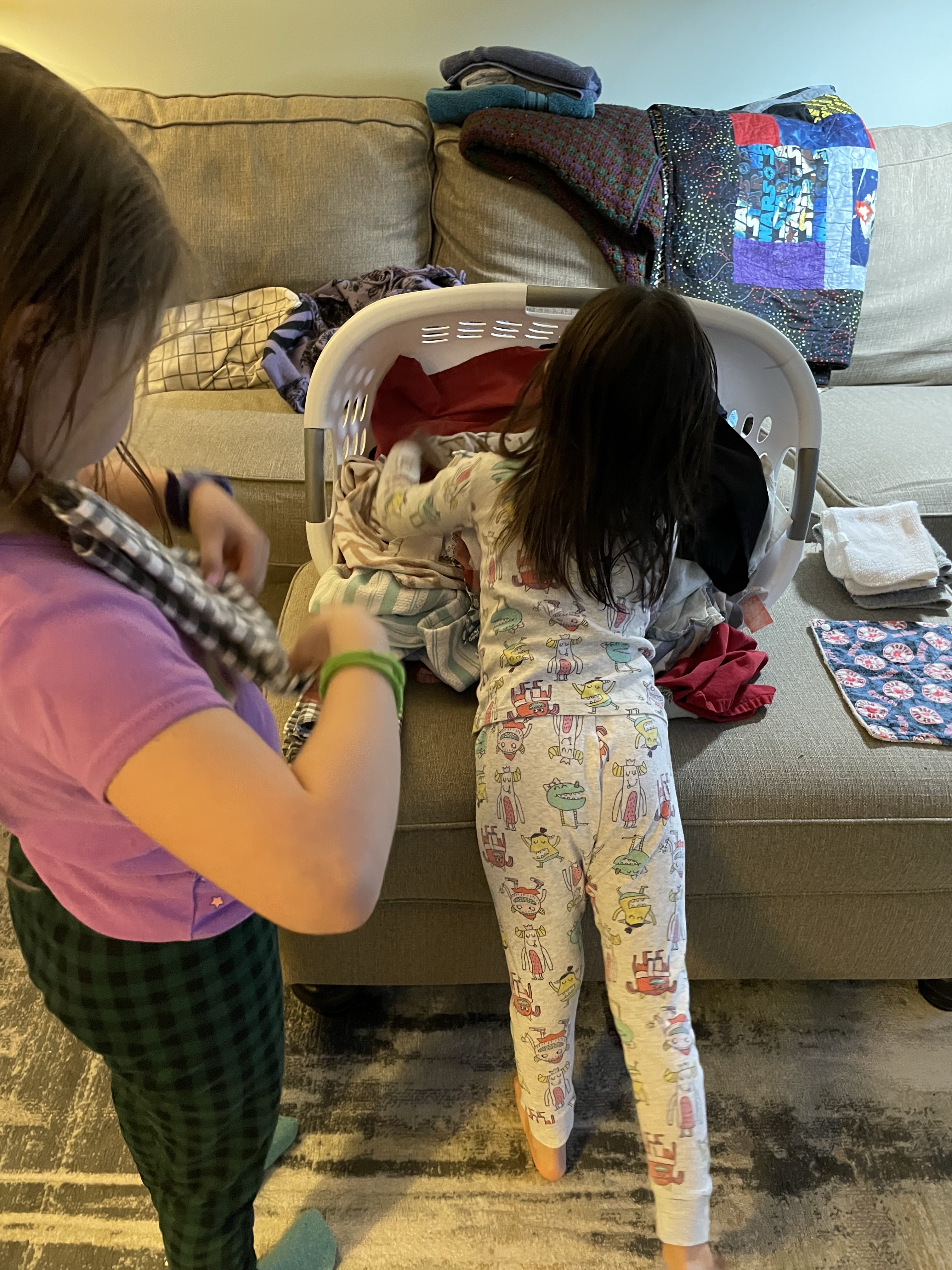

It might be hard to hear, but you don’t NEED paper towels, even for really yucky messes, even for bacon (but I would not use your pretty holiday themed tea towel for that chore). It all can go into your washer and come out just fine. We shake out excess food or yucky stuff into the trash or even spray with the hose outside, but think of all of the things you normally wash off in your washing machine when your house gets hit with the flu. Your washing machine should be able to handle your kitchen mess, without an issue.
In addition to the money saved, think of the headache saved if the paper versions of these products you rely on go missing from the shelves again, but you have to invest now, before the shortage comes again, and if it doesn’t come, all the better for everyone else, but you did something great for the environment and for your peace of mind, and have potentially saved yourself from another gas guzzling trip to Target.
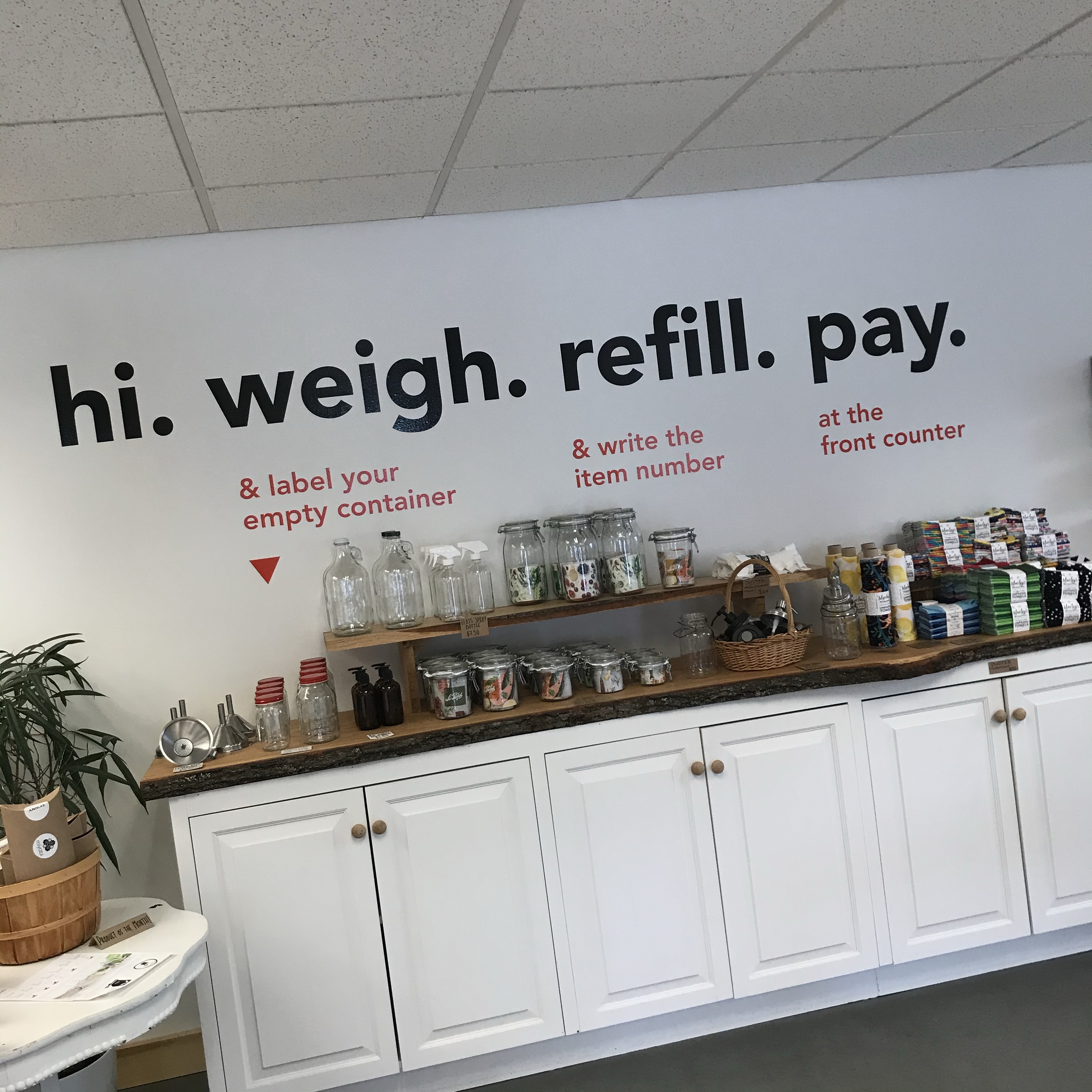
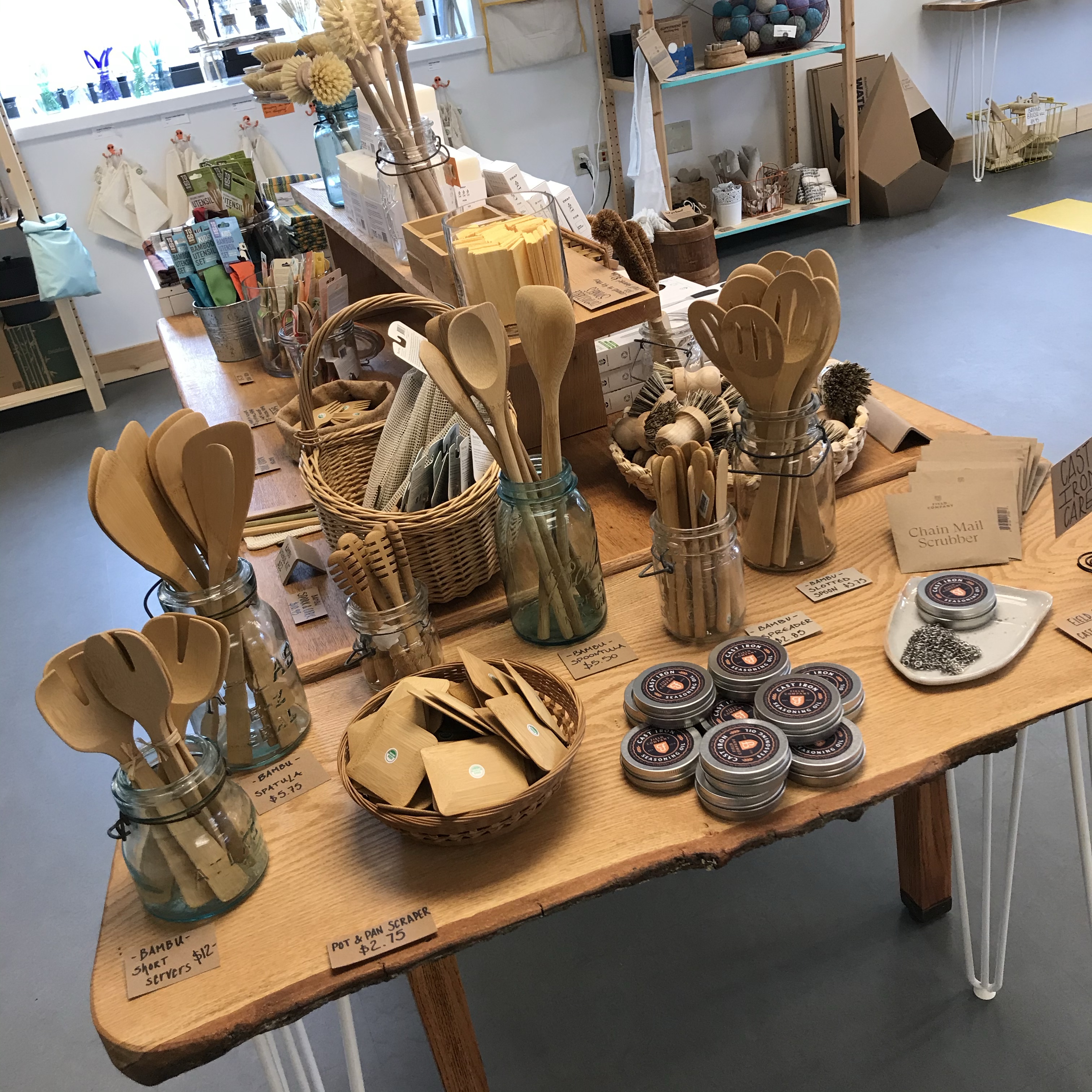
Find out if your town or one nearby has a “refill shop.” This is a store where you bring your own containers that are tared on a scale and then filled with the product of your choice. We purchase our shampoo, conditioner, handsoap, body lotion, dish soap, and dishwashing pods from GoGo Refill. These types of stores really should be popping up all over the country, if there isn’t one in your area start talking to like minded people – there may be an opportunity for you to “fill the void” if you are looking for a new business venture. GoGo Refill also has an awesome selection of sustainable kitchen and personal products.
Buy Local
Try to keep the money in your community when you can. We still order from Amazon. We still go on Target runs, and there are still plenty of online businesses we support, but, when we can, especially for food, we try to shop at the small local markets.
Bonus: Eating locally sourced honey has been known to help combat local allergens.
Look for a local dairy farm, that sells their milk in returnable bottles. Our local dairy farm carries milk and cream (which we buy in glass jugs and return for deposits- so also reducing waste), and local meat. We buy fish from a couple different local fish markets, and lobsters from some of the families that live nearby.
Check out some specialty shops in your area. We have a local cheese shop and a local bakery that are actually like small markets and we can do most of our grocery shopping there. While some of their prices are a bit higher than the grocery store, we are still getting better quality and more local products than Wholefoods offers. It also helps that our closest large grocery store is also headquartered in our small town, so I consider that keeping the money local since they employ so many local people, but I still try to shop at the smaller stores when I can.
Try to avoid big box stores for your gardening purchases. We purchase the majority of our gardening supplies from a local greenhouse/farm, they also happen to sell farm fresh eggs, chicken pot pies, and wine! You really never know what you will find when you are supporting a small or family owned shop.
You might be making more stops, it might not seem as convenient, but loop them into some of your other errands,
We try to support local artists and artisans when shopping for gifts or fun gadgets for our home. When we can’t find the products locally we try to support someone we know by buying a product they make or sell, or simply by clicking through an affiliate link on their website or instagram.
Take a look and see what is really around you, what is available will probably surprise you. It might take some digging, a couple of trips to the farmers market, or a chat with a local shop owner, but you are likely to find some real gems pretty close to you.

 surfandsewhomestead.com
Full of great money saving ideas!
LikeLiked by 2 people
Need more of these posts!
LikeLike