

Its garden planning time! Seed ordering time! Garden strategizing time! Time to dream of lush green gardens to grow in, to harvest from, and to ground in. Times are changing, food prices are skyrocketing, and providing for your own family, in your own space is as crucial as ever. Creating a space that provides for you physically and mentally is as important as ever. Your garden can also provide a space of peace, meditation, and connection to the earth for your family.
Planning a first year garden and planning a fifth year garden are quite different.
If this is your first garden season I recommend going back to my earlier blog posts How to Set Up Your Garden and How to Select Seeds for Your Garden. These two posts can really help you with the basics of setting up, and then come back here for a little more in depth decision making.
This year my garden planning started with our needs. In previous years I have always started with what we WANT to grow, but with the current status of the world, garden NEEDS have moved to the top of the list. I cook at home, from scratch, for almost all of our family’s meals, so I asked myself a few questions:
- What single ingredients can I replace in my house that I can easily grow?
- What canned items/recipes have we had good experiences with and want to try again? Are there new canned items/recipes that we want to explore?
- What freezes well (prepared or raw) that we like to eat?
These are the three questions that I am using this year to finalize what we will grow in our garden. As you will see below, I take our commonly made meals into consideration. So, take a flip through your recipe box while you plan your garden.
1. What single ingredients can I replace in my house that I can easily grow?
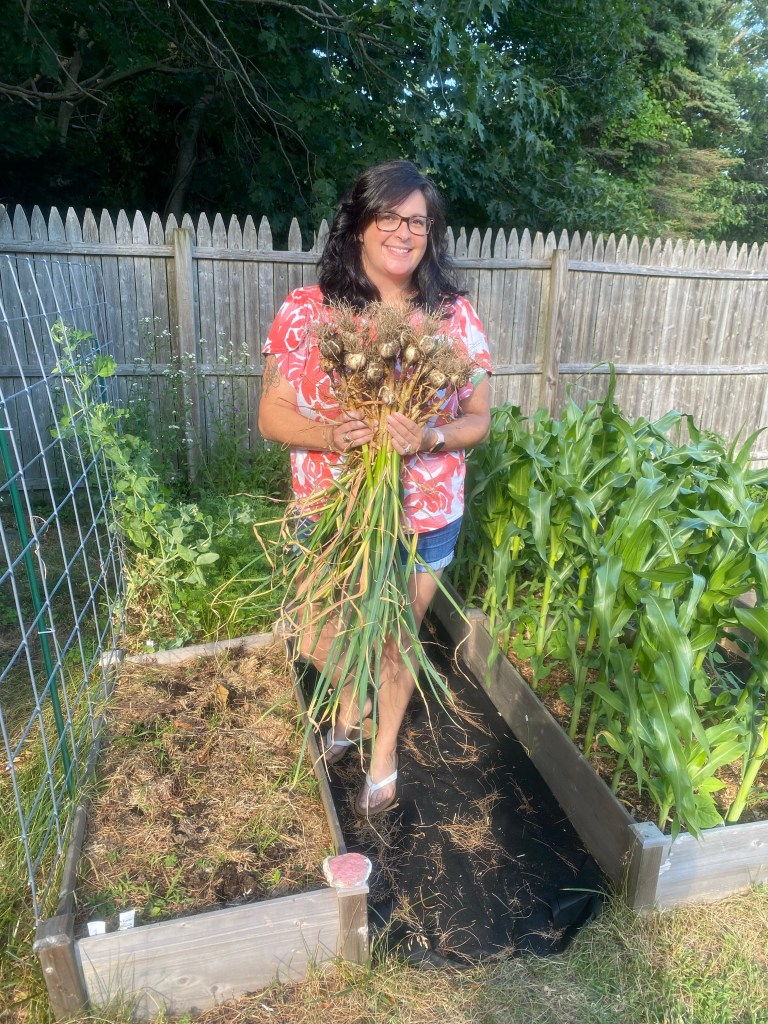
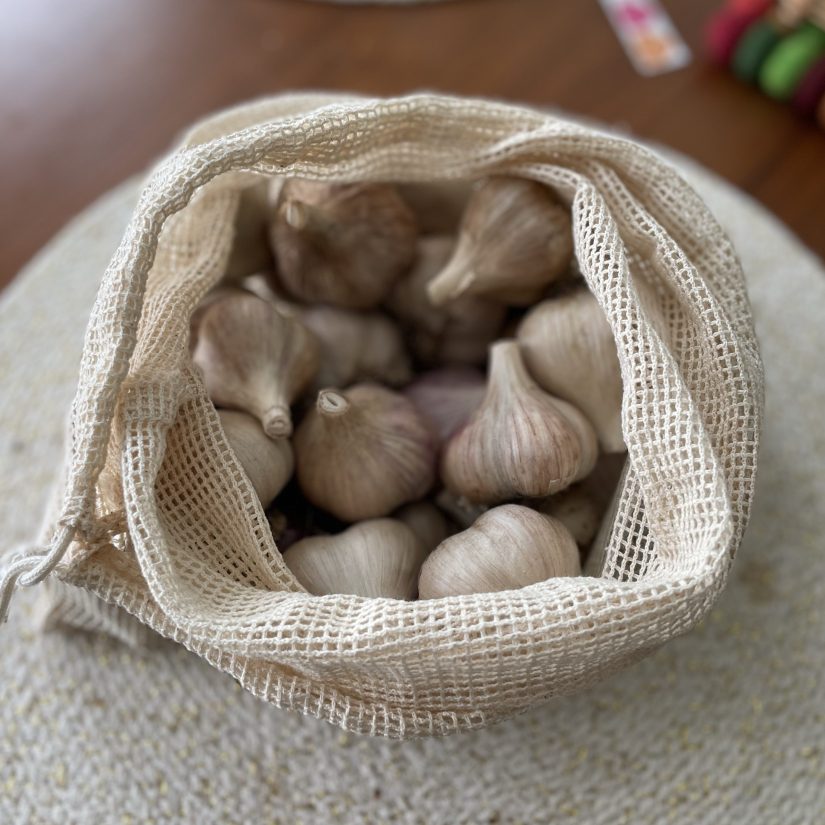
Garlic!! Oh my sweet sweet garlic. This is by far the easiest thing we grow in our garden. I plant in early November and pretty much forget about it. This year I forgot about it until January 20th. That was when we ran out of our garlic from last summer and I had to buy a head at the store. Last year we made it to March, but this last year was a seeding year and I planted 20 cloves over the previous year’s planting.
Fruit. Berries and apples are the easiest choice in our region. We have an apple tree and a crab apple tree, as well as an established strawberry bed and raspberry bed. Last year there was a fruit fly infestation in our town and the one over that really did a number on the raspberries and strawberries. We are hoping to see a lot more berries this season, but year after year having these beds ready to go at the beginning of the season helps take some of the planning part off of your list.
Consider starting a berry bed in your first year. You may not see a ton of production to start off, but eventually it will be a producer that doesn’t cause you much fuss.
This winter we have been making carnitas with a salsa verde that requires tomatillos, so we will be adding those to our garden this year.
Potatoes!! Another set it and forget it (mostly) food for us. Once they start sprouting, you hill them up (bury some of their greens), and then leave them until they die off. We are planning a couple of potato experiments this season as we would like to increase the amount that we harvest. They are on our list of both easy to grow and they replace a commonly used food for us that we won’t need to purchase.
Squash. All of them, but I am particularly partial to zucchini, butternut, and spaghetti.
Herbs! I love having fresh herbs on hand for summer meals and then drying herbs for winter. Oregano, thyme, and sage come back year after year for us. I companion plant basil with our tomatoes and peppers each year.
2. What canned items/recipes have we had good experiences with and want to try again? Are there new canned items/recipes that we want to explore?
There is a fantastic salsa recipe from the Ball Complete Book of Home Preserving that we absolutely love. Being able to have the ingredients on hand to keep that as a staple in our pantry puts tomatoes high up on our list.

Our raspberries and strawberries get canned if we have enough for a batch (otherwise we eat them fresh and outsource for jelly making purposes).
3. What freezes well (prepared or raw) that we like to eat?
We plan to freeze diced bell peppers. These make their way into meatballs, meatloaf, and taco dishes throughout the year. There are times when frozen bell pepper won’t really do the trick, but in the meals listed above, frozen doesn’t make much of a difference. There is a certain joy in tasting a homegrown bell pepper in the middle of winter.
Soups! I love making a carrot, squash, or tomato bisque. These can be frozen as fully made soups, or as “soup kits”.
Now Grab Those Seed Catalogs!!
I stick to my favorite three, two of which are local Maine companies. Johnny’s, Fedco, and Baker Creek/Rare Seeds. The latter provides almost exclusively heirloom seeds. This means that you can save the seeds from whatever you plant and grow exactly the same plant the next season. This is a huge benefit in cost savings on seed purchases in the future.
Find seeds for what you need that work well in the region your are growing in. Find out your garden zone and look up your estimated last frost date. Think about the space that you have, plan out your garden and order yourself some seeds!
I could give you more instruction, but most gardeners want to grow what they want to grow, we all have to make a cucamelon mistake at least once.
What is a cucamelon mistake?
Cucamelons had their time in the sun a few years ago when a major garden influencer was talking about how much their family loved them. Add to it that they are the most adorable little fruit. They are technically called Mexican Sour Gherkins. They are from the cucumber family and look like tiny little watermelons. Oh my, those vines PRODUCE. I had planted quite a few, only to realize that no one in our family actually enjoyed them.
So, what I had planted to be a great “garden snack” food, ended up just dying on the vine. Lesson learned, but we definitely lost trellis space that year due to jumping on a trend.
Eat what you grow and grow what you eat!
At the end of the day, its this simple phrase that tells you what to plant in your garden. You will grow with your own space and your food list year after year. You’ll make your own cucamelon mistakes, and you’ll win with some of the new fruits and vegetables that you try.
Plant a garden that gives back to you. Not just in what you consume from it, but from the enjoyment you get spending time in it, the vitamin D you absorb while tending to it, and the connection to nature you find there. I recognize a lot of the give and take that exists in our world in the garden. Put in effort and love and you will receive a true bounty.

 surfandsewhomestead.com
Love this! I almost skipped it because I was not sure why I was getting gardening tips from World Press…LOL. Glad I did. We are planning to co-garden with friends so we don’t all grow the same thing…off to a great start with this!
LikeLike